


EcoBlog
The latest thinking on ecological landscapes. Useful tips to improve our environment


Great Native Plants for Hummingbirds: What Are You Growing?
Want hummingbirds? Skip the feeder (or add to it) and grow some of the native plants that hummingbirds favor. Hummers particularly love red tubular flowers, so make sure to include some. Here are some hummer favorites:
Native Perennials and more for Hummingbirds
Agastache foeniculum (Anise Hyssop)
Aquilegia canadensis (Canada Columbine)
Asclepias species (Milkweed)
Chelone glabra (White Turtlehead)
Chelone lyonii (Pink Turtlehead)
Hibiscus moschueutos (Swamp Mallow)
Impatiens capensis (Spotted Jewelweed) annual
Iris versicolor (Blueflag)
Iris virginica (Virginia Iris)
Liatris scariosa (Eastern Blazing Star)
Liatris spicata (Marsh Blazing Star)
Lilium canadense (Canada Lily)
Lilium superbum (Turk’s cap Lily)
Lobelia cardinalis (Cardinal Flower)
Lobelia siphilitica (Great Blue Lobelia)
Mertensia virginica (Virginia Bluebells) spring ephemeral
Monarda didyma (Scarlet Bee Balm)
Monarda fistulosa (Wild Bergamot)
Monarda punctata (Spotted Bee Balm)
Penstemon digitalis (Foxglove Beardtongue)
Penstemon hirsutus (Hairy Beardtongue)
Physostegia virginiana (Obedient Plant)
Phlox divaricata (Woodland Phlox)
Phlox paniculata (Tall Garden Phlox)
Ruellia humilis (Wild Petunia)
Salvia coccinea (Scarlet Sage)
Silene regia (Royal Catchfly)
Silene virginica (Fire Pink)
Spigelia marilandica (Indian Pink)
Native Vines for Hummingbirds
Bignonia capreolata (Crossvine)
Campsis radicans (Trumpet Creeper)
Lonicera sempervirens (Coral Honeysuckle)
Native Trees and Shrubs for Hummingbirds
Aesculus pavia (Red Buckeye)
Aesculus parviflora (Bottlebrush Buckeye)
Ceanothus americanus (New Jersey Tea)
Liriodendron tulipifera (Tulip Tree)
Rhododendron atlanicum (Coast Azalea)
Rhododendron arborescens (Sweet Azalea)
Rhododendron catawbiense (Catawba Rhododendron)
Rhododendron periclymenoides (Pinxterbloom)
Rhododendrom viscosum (Swamp Azalea)
Happy Nectaring from Kim Eierman EcoBeneficial!
Photo: Hummingbird and Trumpet Creeper (Campsis radicans)
Photo credit: Flickr/gerrybuckel
More from EcoBlog
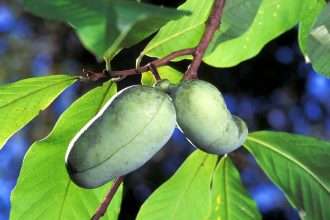
Tasty Natives: Pawpaw (Asimina trioloba)
As fall planting winds down, consider whether you might have one more spot for a tasty native plant. It’s a great way to add an ecological boost to your landscape, while growing something unusual that you can eat. Edible native plantings help connect us with the ecosystems around us, and…

Fall Checklist for the EcoBeneficial Landscape
Now that fall is here, is your landscape in good order? Following some simple steps can prevent or lessen the impacts of a harsh winter, and lay the groundwork for best results in the spring. Fall Checklist – 15 Steps to Ecological Health 1) If you have plants to be…
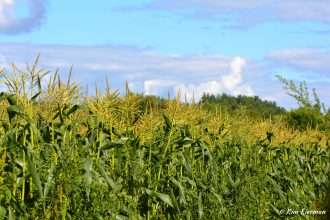
Eco-Lessons from the Farm: GMO Corn & Pollinators
EcoBeneficial! went on a working vacation to Vermont this summer and visited some organic farms, including River Berry Farm in Fairfax, Vermont. After you finish this post watch my short video interview with organic farmer and pollinator advocate, Jane Sorensen, co-owner of River Berry Farm, to pick up some tips.…