


EcoBlog
The latest thinking on ecological landscapes. Useful tips to improve our environment


High-Value Pollen Sources for Honey Bees: Get Planting!
For honey bees, pollen is essential for brood-rearing, and they need a lot of it: an average colony collects 50 to 125 pounds per year. Pollen is honey bees’ main source of protein, lipids, vitamins and minerals. They need pollen with 20% protein; 10 of the amino acids in pollen protein are essential to honey bee development. Not all plants provide equally nutritious pollen, or the same amount of pollen. And, honey bees do not seem to choose pollen based on its nutritional content.
How can you help honey bees get the nutritious pollen they need? Plant a variety of plants which provide pollen at different times of year. No one species can provide all nutritional needs. I suggest favoring native plants which are adapted to your region in favor of exotic plants, cultivars or hybridized plants.
Here are 10 great native woody plants which provide quality pollen:
- Willows (Salix species)
- Tulip Trees (Liriodendron tulipifera)
- Hazelnut (Corylus species)
- Maples (Acer species)
- Elms (Ulmus species)
- Ash (Fraxinus species)
- Poplars (Poplus species)
- Elderberry (Sambucus species)
- Cherry (Prunus species)
- Crabapples (Malus species)
Happy Pollen Planting from Kim Eierman at EcoBeneficial!
Photo: Honey Bee Gathering Pollen from Corylus
Photo credit: Alexandre Dulaunoy
www.flickr.com/photos/adulau/3376009550/sizes/m/in/photostream/
More from EcoBlog
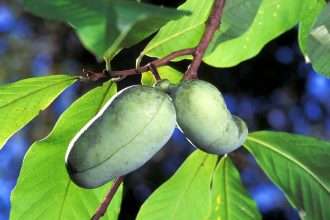
Tasty Natives: Pawpaw (Asimina trioloba)
As fall planting winds down, consider whether you might have one more spot for a tasty native plant. It’s a great way to add an ecological boost to your landscape, while growing something unusual that you can eat. Edible native plantings help connect us with the ecosystems around us, and…

Fall Checklist for the EcoBeneficial Landscape
Now that fall is here, is your landscape in good order? Following some simple steps can prevent or lessen the impacts of a harsh winter, and lay the groundwork for best results in the spring. Fall Checklist – 15 Steps to Ecological Health 1) If you have plants to be…
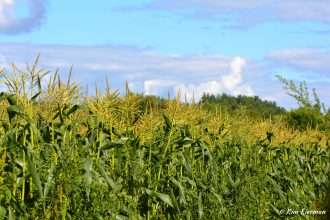
Eco-Lessons from the Farm: GMO Corn & Pollinators
EcoBeneficial! went on a working vacation to Vermont this summer and visited some organic farms, including River Berry Farm in Fairfax, Vermont. After you finish this post watch my short video interview with organic farmer and pollinator advocate, Jane Sorensen, co-owner of River Berry Farm, to pick up some tips.…