


EcoBlog
The latest thinking on ecological landscapes. Useful tips to improve our environment


Spotlight on Great Native Plants: Vernal Witch-hazel
Vernal Witch-hazel aka Spring Witch-hazel (Hamamelis vernalis) is one of our earliest blooming native shrubs, flowering as early as January, but often in February or March. Its orange, red or yellow flowers can appear while snow is still on the ground, and hug tightly onto the leafless branches. The spicy, sweet fragrance of the flowers will often lure you even before you spot the showy flowers. This hardy plant is native to rocky stream banks and sand bars Ozark plateau of Missouri, Arkansas and Oklahoma.
Hamamelis vernalis has a very long bloom time, as long as 4 weeks, and offers a pollen and nectar reward to any small native bees, honey bees or gnats who may venture out on the occasional warm and sunny winter day. The plant grows well in moist to wet, slightly acidic soil, in zones 4 to 8 and it is happiest in part sun to part shade. You can expect the mature size to be from 6 to 12 feet high by 6 to 15 ft wide.
Let us know what you have blooming in your garden right now and what state are you in!
Happy Winter Gardening from Kim Eierman at EcoBeneficial!
Photo: Hamamelis vernalis
Photo credit: Flickr/JimthePhotographer
www.flickr.com/photos/jcapaldi/8416970821/sizes/z/in/photostream/
More from EcoBlog
Fall Planting With Woodies – Native Trees & Shrubs
Some of our most ecologically-important native plants are trees and shrubs (aka woodies). They provide critical structure and ecological function to our landscapes. Some are early pollen sources for hungry bees, some have fruits, nuts or seeds for birds and mammals, some are host plants for butterflies, some are nesting…
The Value of Signs in an Ecological Landscape
How do you communicate to your neighbors why you have little or no lawn, why you have a diversity of native plants, why your trees are not topped, why your shrubs are not pruned into meatballs, why you leave your perennials and grasses standing through winter? Many of our neighbors…
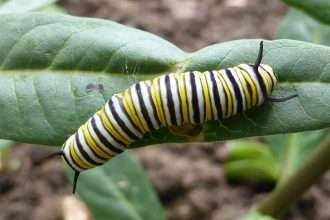
A Closer Look at Monarchs & Milkweeds: Latest Information from Xerces
Milkweeds (Asclepias species) are getting a lot of attention these days since they are the only larval host plants for the threatened Monarch Butterfly. As you may know, butterfly caterpillars have a different diet than their adult counterparts. Most caterpillars eat plant parts, usually leaves. Monarch caterpillars only eat the…