


EcoBlog
The latest thinking on ecological landscapes. Useful tips to improve our environment


Earth Day Resolutions: Top 10 Tips for an EcoBeneficial Garden
Here are some easy ways to increase the health of the ecosystem in your landscape. If you have more tips, please let us know.
1) Reduce or eliminate your lawn – it’s an ecological desert.
2) Focus on increasing the health of your soil – it’s filled with life! Compost is king for many soils, not fertilizer.
3) Eliminate synthetic pesticides, herbicides and fungicides. Use organic counterparts sparingly, and carefully, if at all.
4) Support beneficial insects with appropriate native plantings. They are nature’s pest control.
5) Enrich the ecosystem in your yard by planting a diversity of native plants. Bio-diverse landscapes are more resistant to pests, diseases, and extreme weather events.
6) Plant the right plant in the right place. Don’t put sun-loving plants in the shade!
7) Remove invasive plants and replace them with regionally native plants.
8) Emulate nature in your garden – use local wild areas as your reference.
9) Tolerate some messiness in your garden to support wildlife (check out all the critters living under a dead log – they are part of a balanced ecosystem).
10) Plant more native plants! They have co-evolved with other living things in your ecosystem and support them.
Happy Earth Day from Kim Eierman at Ecobeneficial!
Photo: Question Mark Butterfly
Photo credit: Flickr_Care_SMC
www.flickr.com/photos/75491103@N00/7104359339/
More from EcoBlog
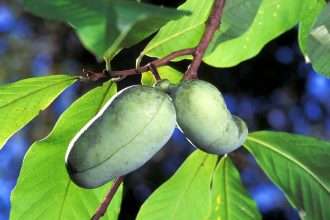
Tasty Natives: Pawpaw (Asimina trioloba)
As fall planting winds down, consider whether you might have one more spot for a tasty native plant. It’s a great way to add an ecological boost to your landscape, while growing something unusual that you can eat. Edible native plantings help connect us with the ecosystems around us, and…

Fall Checklist for the EcoBeneficial Landscape
Now that fall is here, is your landscape in good order? Following some simple steps can prevent or lessen the impacts of a harsh winter, and lay the groundwork for best results in the spring. Fall Checklist – 15 Steps to Ecological Health 1) If you have plants to be…
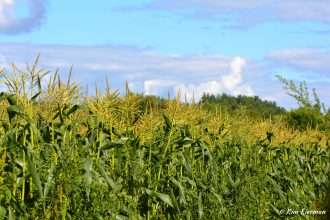
Eco-Lessons from the Farm: GMO Corn & Pollinators
EcoBeneficial! went on a working vacation to Vermont this summer and visited some organic farms, including River Berry Farm in Fairfax, Vermont. After you finish this post watch my short video interview with organic farmer and pollinator advocate, Jane Sorensen, co-owner of River Berry Farm, to pick up some tips.…