


EcoBlog
The latest thinking on ecological landscapes. Useful tips to improve our environment


Your Favorite Native Plants: Skunk Cabbage
Here is another winning entry to the EcoBeneficial t-shirt competition from Kay Wulff, answering: “What is Your Favorite Native Plant and Why?”
“Skunk Cabbage is my favorite native plant. It is so original, showing its flower before all others in spring. It has adapted to live in the wet lands where many people do not dare to go. It creates it’s own little habitat for it’s flower by making a heated haven for early spring insects. I love this plant because I don’t think anyone else out there would. It’s one of kind, like me.”
The yellow flowered skunk cabbage pictured here is our Western species – Lysichiton americanus. Our Eastern Skunk Cabbage, Symplocarpus foetidus has a red flower, and smells just as badly, both earning their names. The plant’s nasty odor is very successful in attracting its pollinators, namely flies and bees.
Photo: Lysichiton americanus (Western Skunk Cabbage)
Photo credit: Tanamarn
http://commons.wikimedia.org/wiki/File%3AYellow-skunk-cabbage.jpg
2 Comments
More from EcoBlog
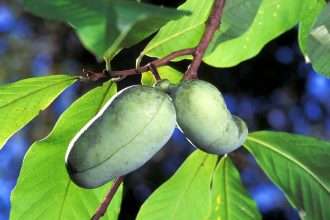
Tasty Natives: Pawpaw (Asimina trioloba)
As fall planting winds down, consider whether you might have one more spot for a tasty native plant. It’s a great way to add an ecological boost to your landscape, while growing something unusual that you can eat. Edible native plantings help connect us with the ecosystems around us, and…

Fall Checklist for the EcoBeneficial Landscape
Now that fall is here, is your landscape in good order? Following some simple steps can prevent or lessen the impacts of a harsh winter, and lay the groundwork for best results in the spring. Fall Checklist – 15 Steps to Ecological Health 1) If you have plants to be…
Eco-Lessons from the Farm: GMO Corn & Pollinators
EcoBeneficial! went on a working vacation to Vermont this summer and visited some organic farms, including River Berry Farm in Fairfax, Vermont. After you finish this post watch my short video interview with organic farmer and pollinator advocate, Jane Sorensen, co-owner of River Berry Farm, to pick up some tips.…
Love skunk cabbage, too! It’s the first sign that Spring is coming.
I’m asking for it in nurseries, they just say,no don’t have it.
Neither species is easy to find. I found a comment on the Lady Bird Johnson Wildflower website which gives a few nursery sources for the Eastern Skunk Cabbage:: http://www.wildflower.org/expert/show.php?id=124
Symplocarpus foetidus is slow and somewhat difficult to propagate from seed, although you might try to collect some seeds and try to germinate them. Bill Cullina, the author and Exec. Director of Coastal Maine Botanical Gardens, suggests collecting the fruits before they rot, extracting the seeds, soaking the seeds for a week and then sowing them outdoors in the soil or in a flat. They will form roots and a bud in the first year and a small plant in the 2nd year. Guess it’s too much work for nurseries to make any profit in growing and selling them.
Good luck and thanks for your comment!