


EcoBlog
The latest thinking on ecological landscapes. Useful tips to improve our environment


Native Edibles: The Tropical Looking Pawpaw
As the chill of winter sets in, it’s a great time to start making plans for your spring planting. Start with the structural “bones” of your landscape – native trees. In mature landscapes it may be difficult to find the space for another large tree, in that case “go small” with an understory, or smaller native tree. A smaller tree will provide the added benefit of adding another layer to the ecosystem in your landscape.
How about adding a tree that is edible? Many of our native trees provide fruit, nuts or berries that are edible to humans. One such plant is the Common Pawpaw tree (Asimina triloba) that grows natively in flood plains and rich woods in parts of the Northeast, Mid-Atlantic, South, Southeast and Midwest. Common Pawpaw is a host plant for the caterpillars of the Zebra Swallowtail Butterfly and the Pawpaw Sphinx Moth that eat the plant’s leaves.
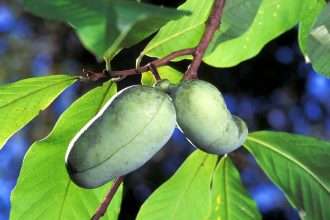
Common Pawpaw blooms in the spring sporting other-wordly maroon flowers, which are pollinated by flies and beetles. The flowers are followed by smallish fruits that look a bit like mini mangoes. The fruit ripens in the fall and tastes a bit like banana custard with hints of mango, papaya, pear and pineapple. You can eat the ripe golden flesh as is, or make Pawpaw smoothies, ice cream, or how about a Pawpaw pudding? Many animals, including raccoons, squirrels, opossums, and some birds also love Pawpaw fruit, so plan on sharing.
Here are some facts about Common Pawpaw:
- Deciduous, with large tropical-looking leaves
- Single trunk or multi-trunked, often creating thickets (Pawpaw is clonal)
- Mature size is quite variable: 10 to 40 ft high x 6 to 15 ft wide
- Hardy in zones 4 to 8
- Best in full sun to light shade
- Appreciates moist, rich soil
- Maroon flowers in spring
- Small fruit (2” to 5”) ripens in the fall
- An endangered species in New Jersey and threatened in New York
- Best to plant two from different sources to ensure cross-pollination
- Some cultivars exist but may be hard to find
- Host plant for the Zebra Swallowtail Butterfly and the Pawpaw Sphinx Moth
Happy Planning!
From Kim Eierman at EcoBeneficial!
Photo: Flower of Common Pawpaw
Photo Credit: Wikipedia
More from EcoBlog
Tasty Natives: Pawpaw (Asimina trioloba)
As fall planting winds down, consider whether you might have one more spot for a tasty native plant. It’s a great way to add an ecological boost to your landscape, while growing something unusual that you can eat. Edible native plantings help connect us with the ecosystems around us, and…

Fall Checklist for the EcoBeneficial Landscape
Now that fall is here, is your landscape in good order? Following some simple steps can prevent or lessen the impacts of a harsh winter, and lay the groundwork for best results in the spring. Fall Checklist – 15 Steps to Ecological Health 1) If you have plants to be…
Eco-Lessons from the Farm: GMO Corn & Pollinators
EcoBeneficial! went on a working vacation to Vermont this summer and visited some organic farms, including River Berry Farm in Fairfax, Vermont. After you finish this post watch my short video interview with organic farmer and pollinator advocate, Jane Sorensen, co-owner of River Berry Farm, to pick up some tips.…