


EcoBlog
The latest thinking on ecological landscapes. Useful tips to improve our environment


Honey Bee Losses for Winter 2013/2014
According to the latest survey results from the Bee Informed Partnership, honey bees fared better this past winter than the previous winter. Commercial beekeepers reported losing 23.2% of their colonies over the winter of 2013/2014 versus a loss of 30.5% for the previous winter.
This volume of loss is still not acceptable, however, with beekeepers in this survey reporting 19% as an acceptable rate of loss. Many of the hobbyist beekeepers I speak to say that even 19% is not sustainable.
Here are some simple ways you can help both honey bees and native bees, many of which are also in trouble:
– Plant a wide diversity of native plants timed to bloom throughout the growing season. Honey bees can forage on many native plants, which in turn boost your ecosystem.
– Select plants with different types of flower shapes and sizes. Bees also come in many shapes and sizes, and different bee species have different tongue lengths. Not all bees can access the same flowers.
– Emphasize flower colors that bees can see: white, purple, blue, violet, yellow. Bees see differently than we do, on a UV spectrum, and cannot see most red flowers.
– Create a “floral target” for bees, either by massing the same plant, or by repeating that plant throughout your landscape (think “meadow” or meadow-like garden).
– Skip the “secret sauce” – pesticides, which can be devastating to bees. And keep in mind that “organic” pesticides are not benign.
Download a list of bee-friendly native perennials you can include in your landscape
Check the Lady Bird Johnson Wildflower Center plant database to see which specific species are native to your region: http://www.wildflower.org/plants/
For the complete report on honey bee losses from the Bee Informed Partnership: http://beeinformed.org/2014/05/colony-loss-2013-2014/
Bee Supportive in Your Landscape! from Kim Eierman at EcoBeneficial!
Photo: Honey Bee on Echinacea
Photo credit: M/Flickr
www.flickr.com/photos/diamondflamer/6089782211/in/photolist-ah3CB4-2bQ5mq-b4e1g6-ah8Jev-ah8J62-ah6qxd-ah3D9p-ah6qWw-8Ckqot-bnpqTU-bAjigr-bAjk36-bnprT1-bnprsN-wZoTA-6x1F5Y-a2tNUR-a2wGou-2dLgBX-a2wGkm
More from EcoBlog
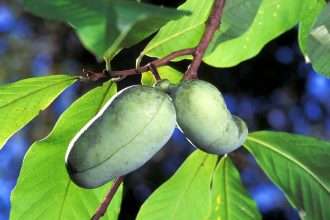
Tasty Natives: Pawpaw (Asimina trioloba)
As fall planting winds down, consider whether you might have one more spot for a tasty native plant. It’s a great way to add an ecological boost to your landscape, while growing something unusual that you can eat. Edible native plantings help connect us with the ecosystems around us, and…

Fall Checklist for the EcoBeneficial Landscape
Now that fall is here, is your landscape in good order? Following some simple steps can prevent or lessen the impacts of a harsh winter, and lay the groundwork for best results in the spring. Fall Checklist – 15 Steps to Ecological Health 1) If you have plants to be…
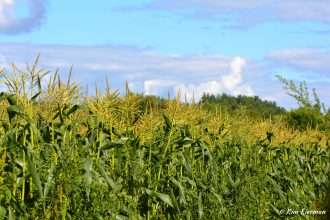
Eco-Lessons from the Farm: GMO Corn & Pollinators
EcoBeneficial! went on a working vacation to Vermont this summer and visited some organic farms, including River Berry Farm in Fairfax, Vermont. After you finish this post watch my short video interview with organic farmer and pollinator advocate, Jane Sorensen, co-owner of River Berry Farm, to pick up some tips.…