


EcoBlog
The latest thinking on ecological landscapes. Useful tips to improve our environment


Tasty Natives: Pawpaw (Asimina trioloba)
As fall planting winds down, consider whether you might have one more spot for a tasty native plant. It’s a great way to add an ecological boost to your landscape, while growing something unusual that you can eat. Edible native plantings help connect us with the ecosystems around us, and are a powerful way to engage kids with the landscape.
Pawpaw (Asimina triloba) is a tasty native for the Eastern half of the U.S., as far west as Texas. An easy-care small native tree, Pawpaw thrives in moist conditions in full sun to light shade, with fertile soil. Although Pawpaws seldom grow taller than 25 feet, they need a lot of horizontal space. Give them plenty of room, as they sucker and like to grow in colonies, often creating dense, shady thickets. This is not a plant to tuck into a small planting bed.
Pawpaw’s large, tropical-looking leaves are a standout in any garden and belie the tree’s native origins, especially in colder regions. The trees are virtually pest-free, and the leaves are quite deer-resistant. Pawpaw is a larval host plant for the Zebra Swallowtail Butterfly and the Pawpaw Sphinx Moth, so expect (and encourage) some feeding on the leaves by these caterpillars. You will be rewarded by their beautiful adult counterparts later in the year.
In the spring, Pawpaw sports intriguing maroon blossoms, pollinated primarily by flies and beetles, some of our most underrated, yet important pollinators. Pawpaw pollination can be a bit tricky. Although the plants are monoecious – there are male and female blossoms on the same plant – Pawpaw flowers are thought to start out as female and then become male. As a result, Pawpaws are frequently self-infertile.
To promote fruit set, plant two or more genetically different Pawpaws to allow for cross-pollination. Cultivars are available, although they may be a bit hard to find at local nurseries. If you cannot find cultivars, plant at least two different straight species seedlings, grown at different nurseries.
Sometimes, flies and beetles, the natural pollinators of Pawpaw, will under-perform. If these creatures aren’t doing their job, consider attracting them with manure, fish emulsion, or, dare I say, road-kill or other form of rotting meat. Think like a hungry fly or beetle. If this thought process is more than you can stomach, take a more delicate approach and pollinate the flowers by hand. A helpful guide is Neal Peterson’s article in Clemson University’s Fruit Gardener newsletter: “Doing What Comes Unnaturally: How to Hand-Pollinate Pawpaws.” You can also see a photo demonstration on the Apios Institute website.
Pawpaw is an appealing ornamental plant with a bonus – it produces delicious tropical-looking fruit that ripens in late summer. It is the largest fruit indigenous to the United States, typically 3 to 6 inches long and weighing less than a pound. The ripe fruit has a banana-mango-pineapple flavor and a custardy texture. When ripe, the fruit can be eaten raw, and also makes delicious ice cream, smoothies, frozen cocktails, puddings and more. If you have a bumper crop of fruit, not to worry, the fruit pulp freezes quite well. Make sure to share some of the fruit with the wildlife that loves it – raccoons, opossums, squirrels, foxes, and hmm……maybe the deer.
For more information on Pawpaw, watch my short video interview with Dr. Doug Tallamy, entomologist and author of Bringing Nature Home.
Happy Planting from Kim Eierman at EcoBeneficial!
Photo: Pawpaw fruit
Photo credit: Wikipedia
More from EcoBlog
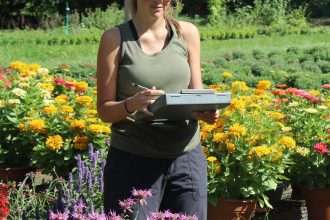
Native Cultivars vs. Native Plants & Their Attractiveness to Pollinators
As you start shopping for plants this spring, please emphasize regional native plants that support your local ecosystem. That sounds easy, doesn’t it? Well, it’s actually a bit more complicated. Sometimes the only native plants you can find are native cultivars, not open-pollinated, “straight species” natives. These native cultivars are…
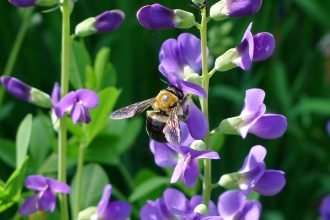
Planning Your Pollinator Garden: Native Perennials for Bees
As you plan your landscape this year, why not include a pollinator garden to help challenged bees? The truth is, a pollinator garden will attract and support many species beyond bees, and will also improve the overall health of your ecosystem. I suggest that you include signage in your pollinator…
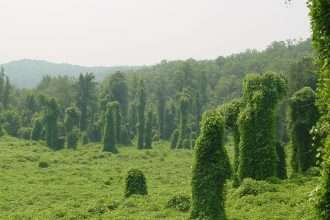
Gardening Tips for April 1
Here are some helpful gardening tips for April 1: – Increase your lawn. – Plant more invasive exotic plants. – Plant in monocultures. – Use more pesticides, herbicides and fungicides. – Put the wrong plant in the wrong place. – Ignore the above and download: “Top 20 Ways to Create…