


EcoBlog
The latest thinking on ecological landscapes. Useful tips to improve our environment


Attracting Birds in Winter: Interview with North Coast Gardening
I recently had the pleasure of being interviewed by Genevieve Schmidt, landscape designer and well known garden writer. Genevieve is a contributing editor and staff writer for Garden Design magazine; her work has appeared in many other publications including Fine Gardening magazine and the Christian Science Monitor. Her website, North Coast Gardening: Gardening in the Pacific Northwest, is full of helpful information.
Genevieve asked me some questions about how gardeners and landscape pros can attract and support birds in the winter. Below is an excerpt from the interview. Click here to read the entire interview on the North Coast Gardening website.
Excerpt of the interview:
Gen: “What long-term things can we do to provide better habitat in future years?”
Kim: Your long-term strategy should be to create a robust, bio-diverse ecosystem that supports many forms of life. We live in food webs where every living thing is connected to every other living thing. Every design choice we make and every plant we select, impacts the health of our ecosystem. And, it starts all the way down on the ground with healthy soil.
With regard to habitat, not all birds are attracted to the same layers of the landscape. Birds such as hawks prefer to be at the top of large canopy trees. Some birds, like chickadees, like to be in the midstory; other birds, such as doves, prefer understory trees and shrubs. Then there are birds that nest in the herbaceous layer, including waterfowl.
If you want to support cavity-nesting birds, like woodpeckers, it’s important to leave some standing tree snags. Just make sure that your home is not a target in the event of a tree failure. Simply cutting back a tree snag to a shorter, more tolerable height, may give you peace of mind, and a home to a cavity-nesting bird.
Our natural landscapes are usually layered, but we often forget to plant that way in our home landscapes to support varied species of wildlife. Use healthy natural areas as your reference, staying true to your region and your site. Try to transition your garden design to reflect those layers – you will be rewarded with much more bird activity if you do.
To read the entire interview, please visit the North Coast Gardening website.
From Kim Eierman at EcoBeneficial!
Photo: Cedar Waxwing and Serviceberries
Photo credit: upupa4me_Flickr
More from EcoBlog
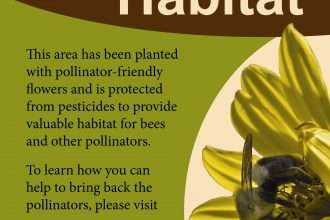
The Value of Signs in an Ecological Landscape
How do you communicate to your neighbors why you have little or no lawn, why you have a diversity of native plants, why your trees are not topped, why your shrubs are not pruned into meatballs, why you leave your perennials and grasses standing through winter? Many of our neighbors…
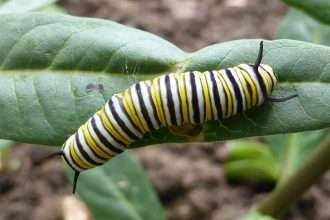
A Closer Look at Monarchs & Milkweeds: Latest Information from Xerces
Milkweeds (Asclepias species) are getting a lot of attention these days since they are the only larval host plants for the threatened Monarch Butterfly. As you may know, butterfly caterpillars have a different diet than their adult counterparts. Most caterpillars eat plant parts, usually leaves. Monarch caterpillars only eat the…
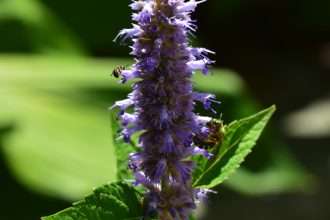
Extending the Garden With Great Native Plants in Pots
If you are like many gardeners, you are scouring your landscape to figure out where else you can squeeze in another plant. No empty spots in your garden? No problem. Containers are the answer! While many gardeners plant in pots, few realize that there are many native plants which will…