


EcoBlog
The latest thinking on ecological landscapes. Useful tips to improve our environment


Fall Tip: Boosting the Health of Trees and Shrubs
Some of our most important native plants are “woodies” (trees and shrubs). Woodies provide critical structure and ecological function to most landscapes – some are early pollen sources for hungry bees, some are nesting sites for songbirds, and some, primarily evergreens, provide cover to many creatures during harsh winters.
Your trees and shrubs are valuable to you and your ecosystem – so how do you keep them healthy through the winter? You start right now, in the fall.
First – skip the standard fertilizer, unless you have gotten a soil test that indicates a deficiency of some sort. Large fertilizer companies have trained us to apply fertilizers whether plants need them or not. Most times, plants don’t need them. If you have a known soil deficiency, slow-release, organic fertilizers are the way to go. One tip – use half of the rate recommended by the manufacturer. Less is more, and usually that’s plenty.
One amendment which I often use when planting woodies is a biostimulant. These are not fertilizers, but rather supplements which are thought to enhance nutrient availability, etc. Biostimulants typically consist of elements such as: humic acid, fulvic acid, seaweed, micronutrients, beneficial bacteria, etc. I have found that adding a high quality biostimulant (such as BioMagic from North Country Organics) can be very effective at lessening planting stress, and helping woodies establish more quickly. Choose a biostimulant carefully. If the label sounds too good to be true…
Many plants you purchase from a nursery, a garden center, or a big box store, have been excessively fertilized to push lots of growth. After all, bigger plants sell better. The problem is that many fertilizers contain large quantities of salts which are very desiccating to plants. These salts can cause significant damage to a plant’s root system as the salts absorb water that would otherwise go to the plant’s roots.
Salt damage can be particularly harmful to evergreens. In the NorthEast, we often see damage to evergreen trees on the side of highways where road salts have been used to clear snow and ice. We frequently notice Eastern White Pines (Pinus Strobus) turning yellow as they succumb to road salt, as their root systems dry out. Excess salts can kill a tree in a single season.
If you have planted new trees or shrubs in the fall, it is particularly important to water the roots of your new woodies until hard frost occurs (if you don’t have a hard frost, water throughout the growing season). Fall watering will lessen the negative impact of fertilizer salts, and help plants establish better roots before winter sets in. This adds up to a better survival rate through winter.
If you are experiencing a dry autumn in your area, also water any established woodies to help them get through winter. We are having a mini drought right now in the NorthEast and many plants are showing it, including broad-leaved evergreens like Rhododendrons. If mother nature isn’t providing the water, then you need to, until hard frost.
There is a bit of a science to watering. When you water, do it early in the day, focusing on the roots. By watering in the morning you allow any wet foliage to dry off throughout the day, helping to prevent fungal problems. Skip overhead watering on woodies, which is notorious for creating fungal problems, and is also highly inefficient.
Increase the healthy of your woody plants by building healthy soil. Compost and compost teas can be invaluable in improving soil health. Always us the best quality finished compost you can make or buy. Finished compost should have no foul odor and should be quite well decomposed, devoid of large chunks. Add compost and a drench of compost tea to the root zone of your woody plants in the fall for a late season health boost.
Take care of those valuable native trees and shrubs this fall. You’ll be glad you did, when spring comes around!
From Kim Eierman at EcoBeneficial!
Photo: Maple in Fall Glory
Photo credit: Photophilde
More from EcoBlog

Fall Checklist for the EcoBeneficial Landscape
Now that fall is here, is your landscape in good order? Following some simple steps can prevent or lessen the impacts of a harsh winter, and lay the groundwork for best results in the spring. Fall Checklist – 15 Steps to Ecological Health 1) If you have plants to be…
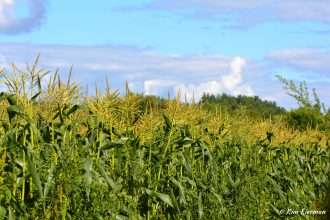
Eco-Lessons from the Farm: GMO Corn & Pollinators
EcoBeneficial! went on a working vacation to Vermont this summer and visited some organic farms, including River Berry Farm in Fairfax, Vermont. After you finish this post watch my short video interview with organic farmer and pollinator advocate, Jane Sorensen, co-owner of River Berry Farm, to pick up some tips.…
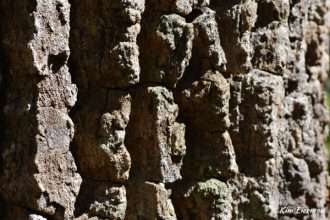
Fall Planting With Woodies – Native Trees & Shrubs
Some of our most ecologically-important native plants are trees and shrubs (aka woodies). They provide critical structure and ecological function to our landscapes. Some are early pollen sources for hungry bees, some have fruits, nuts or seeds for birds and mammals, some are host plants for butterflies, some are nesting…