


EcoBlog
The latest thinking on ecological landscapes. Useful tips to improve our environment


Spotlight on a Great Native Nursery: Amanda’s Garden
When you are looking to buy native plants, it can still feel like the search for the Holy Grail. Take the time and effort to seek out local native nurseries that grow the regional native plants you want and that healthy ecosystems need. Skip the big box stores, and support local suppliers that care about their clients and the environment. Well-grown native plants are expensive to propagate and grow, so be willing to spend a little more at native nurseries.
Here is an example of a nursery that is getting it right: Amanda’s Garden in Sparta, New York, a certified woman-owned business, owned and operated by Ellen Folts for the past 26 years. Specializing in native woodland plants, which they propagate and grow, they have a great business approach as explained on their website:
Our business practices emphasize the preservation of native species, the production of high quality, healthy plant stock and meeting the unique needs of each customer.
Amanda’s Garden wants you to have the knowledge to make a fantastic native garden. We believe in sharing information that will help you make informed choices when adding plants to your landscape.
And they do offer a lot of incredibly helpful information to Northeastern gardeners! On the Amanda’s Garden website, you can find bloom charts by botanical name and common name, planting instructions, and a wonderful array of plant lists including lists of: pollinator plants, plants that are usually, occasionally or rarely damaged by deer, native ground covers for sun, natives that will grow under black walnuts, native perennials for every imaginable type of site condition, and my new favorite, native perennials that make great cut flowers. (I know what you are thinking – don’t cut too much for yourself – leave most for our challenged pollinators). They also offer a newsletter that is full of useful information.
Check out the helpful resources on the Amanda’s Garden website, including the bare root, dormant plants they sell online. If you are in Western or Central New York, stop by in person and pick up some plants.
Being a good native gardener, means not only supporting the wildlife and environment around us, but supporting the folks who are working hard to grow the plants nature needs!
Happy gardening from Kim Eierman at EcoBeneficial!
Photo: Packera aurea (Golden ragwort) a great native alternative to Japanese pachysandra!
More from EcoBlog
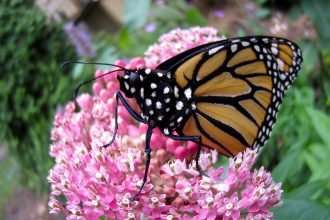
Us vs. Them? Can We Afford to Remain Disconnected from Environmental Realities?
The population of Monarch butterflies has declined to the lowest level ever recorded, pollinators are in a well-reported nose dive, the 20 most common bird species have declined by 68% in the past 45 years. What does this all mean for us humans, the one species that all other species…
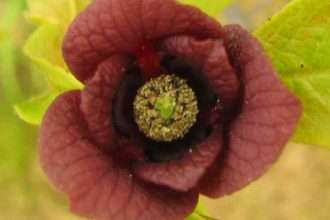
Native Edibles: The Tropical Looking Pawpaw
As the chill of winter sets in, it’s a great time to start making plans for your spring planting. Start with the structural “bones” of your landscape – native trees. In mature landscapes it may be difficult to find the space for another large tree, in that case “go small”…
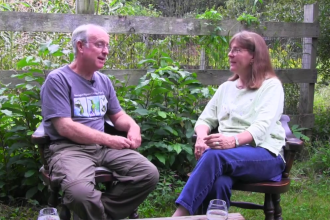
Interview with Dr. Doug Tallamy, Author of Bringing Nature Home
Recently I had the pleasure of interviewing Dr. Doug Tallamy at his home. Doug is the author of Bringing Nature Home: How you Can Sustain Wildlife With Native Plants, a book which has sparked a new cycle of enthusiasm for native plants and ecological landscapes. Doug is Professor & Chair…