


EcoBlog
The latest thinking on ecological landscapes. Useful tips to improve our environment


Multiple Duty Native Plants: The EcoBeneficial Gardener’s Secret Weapon
It’s that time of year when we start to think about spring planting. How do you choose the best plants to improve the ecosystem in your own yard? Choosing native plants which are “environmental workhorses” will not only help improve your ecosystem, but will also reward you with more birds, butterflies, beneficial insects and other critters in your yard. When considering plants, first ask:
- Is the plant native to my region, supporting the natural ecosystem?
- Is this the right plant for the site I am considering (sun level, moisture conditions, soil type, hardiness, etc.)
Then, see if this plant is an environmental workhorse:
Does the plant offer nectar and pollen for bees, beneficial insects, hummingbirds, etc?
- Does the plant produce nuts, seeds, fruit, berries, etc., providing a food source for wildlife?
- Does the plant offer a nesting site or cover for birds, or other wildlife?
- Will the plant help with erosion control and storm water runoff?
If a plant provides several of these functions, it’s a great candidate for an EcoBeneficial Garden.
Happy Planting from Kim Eierman at EcoBeneficial!
Photo: Honeybee on Common Buttonbush
Photo credit: wolfpix/Flickr
More from EcoBlog
Fall Planting With Woodies – Native Trees & Shrubs
Some of our most ecologically-important native plants are trees and shrubs (aka woodies). They provide critical structure and ecological function to our landscapes. Some are early pollen sources for hungry bees, some have fruits, nuts or seeds for birds and mammals, some are host plants for butterflies, some are nesting…
The Value of Signs in an Ecological Landscape
How do you communicate to your neighbors why you have little or no lawn, why you have a diversity of native plants, why your trees are not topped, why your shrubs are not pruned into meatballs, why you leave your perennials and grasses standing through winter? Many of our neighbors…
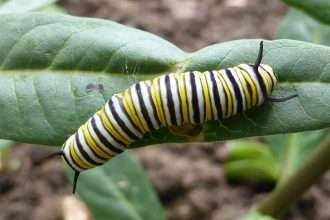
A Closer Look at Monarchs & Milkweeds: Latest Information from Xerces
Milkweeds (Asclepias species) are getting a lot of attention these days since they are the only larval host plants for the threatened Monarch Butterfly. As you may know, butterfly caterpillars have a different diet than their adult counterparts. Most caterpillars eat plant parts, usually leaves. Monarch caterpillars only eat the…