


EcoBlog
The latest thinking on ecological landscapes. Useful tips to improve our environment


Multiple Duty Native Plants: The EcoBeneficial Gardener’s Secret Weapon
It’s that time of year when we start to think about spring planting. How do you choose the best plants to improve the ecosystem in your own yard? Choosing native plants which are “environmental workhorses” will not only help improve your ecosystem, but will also reward you with more birds, butterflies, beneficial insects and other critters in your yard. When considering plants, first ask:
- Is the plant native to my region, supporting the natural ecosystem?
- Is this the right plant for the site I am considering (sun level, moisture conditions, soil type, hardiness, etc.)
Then, see if this plant is an environmental workhorse:
Does the plant offer nectar and pollen for bees, beneficial insects, hummingbirds, etc?
- Does the plant produce nuts, seeds, fruit, berries, etc., providing a food source for wildlife?
- Does the plant offer a nesting site or cover for birds, or other wildlife?
- Will the plant help with erosion control and storm water runoff?
If a plant provides several of these functions, it’s a great candidate for an EcoBeneficial Garden.
Happy Planting from Kim Eierman at EcoBeneficial!
Photo: Honeybee on Common Buttonbush
Photo credit: wolfpix/Flickr
More from EcoBlog
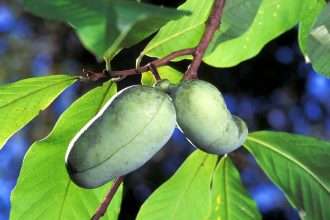
Tasty Natives: Pawpaw (Asimina trioloba)
As fall planting winds down, consider whether you might have one more spot for a tasty native plant. It’s a great way to add an ecological boost to your landscape, while growing something unusual that you can eat. Edible native plantings help connect us with the ecosystems around us, and…

Fall Checklist for the EcoBeneficial Landscape
Now that fall is here, is your landscape in good order? Following some simple steps can prevent or lessen the impacts of a harsh winter, and lay the groundwork for best results in the spring. Fall Checklist – 15 Steps to Ecological Health 1) If you have plants to be…
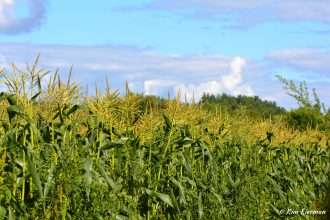
Eco-Lessons from the Farm: GMO Corn & Pollinators
EcoBeneficial! went on a working vacation to Vermont this summer and visited some organic farms, including River Berry Farm in Fairfax, Vermont. After you finish this post watch my short video interview with organic farmer and pollinator advocate, Jane Sorensen, co-owner of River Berry Farm, to pick up some tips.…