


EcoBlog
The latest thinking on ecological landscapes. Useful tips to improve our environment


Favorite Native Plants: Monarda fistulosa (Wild Bergamot)
Here is one of the winning entries to the EcoBeneficial t-shirt competition: “What’s Your Favorite Native Plant and Why” from winner Kay Davis:
“I would have to say bergamot is one of my favorite plants… When in bloom its beauty is stunning, attracting hummingbirds and butterflies not to mention an assortment of various bees. The blooms are not only attractive but they and the leaves are very fragrant which is another thing I love about this plant. Just breathing it in makes my day. I love taking pictures of the bergamot growing in my garden and all the visitors it entertains. It is a great plant to have if one enjoys microphotography. Bergamot is a native plant that adds a lot of value both personal and ecological to the garden.”
For those of you who are now convinced that you must have this great plant in your own garden, here is some info about this native perennial:
Monarda fistulosa (Wild Bergamot)
Sometimes referred to as Bee Balm. Not to be confused with another plant often referred to as Bee Balm: Monarda didyma (Oswego Tea), which has red flowers in its natural form.
Zones: 3 to 9
Native range: Most of the US East of the Rockies.
Moist to average soil.
Tolerates drier soil than Monarda didyma (Oswego Tea).
Less susceptible to powdery mildew than Monarda didyma.
Size: 36” to 48” high x 18” to 24” wide.
Blooms in the summer.
Flower color is lavender.
Deer resistant.
Attracts: bees, butterflies and hummingbirds.
Historic uses:
– Oil from the leaves was used for respiratory ailments.
– Tea was made from the leaves to treat: colic, colds, cough, fever, stomach ache, sore throat, etc.
– Poultice was made from the leaves to ease headaches.
– Tea made from flowers was used for fevers and colds.
Plant Monarda fistulosa, or other ecologically supportive native plants this spring! from Kim Eierman at Ecobeneficial!
Photo: Monarda fistulosa (Wild Bergamot)
Photo credit: Flickr_gmayfield10
www.flickr.com/photos/gmayfield10/4246364454/
1 Comment
More from EcoBlog
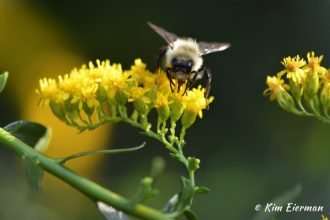
The Pollinator Victory Garden: Winning the War on Pollinator Decline
You don’t have to be a gardener or a landscape professional to know that many pollinators are in trouble. The White House has taken notice and on May 19, 2015, released the “Pollinator Research Action Plan.” In the summary of the plan, three “overarching goals” are cited; unfortunately, our 4,000…
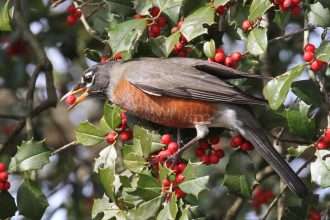
Welcoming Birds Back to the Garden this Spring
As the weather warms, neo-tropical migrating birds start to reappear in our landscapes. Are you ready to offer a proper welcome? Resources can be slim at this time of year in our landscapes, both for overwintering birds and returning migrants. Now more than ever, we need to provide welcoming habitats…
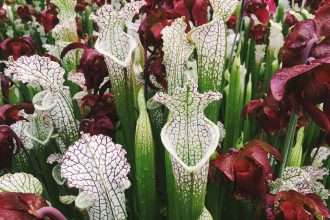
Native Bogs with Ron Determann of Atlanta Botanical Garden
If you haven’t seen a native bog in full bloom, then make sure to put that on your bucket list. A recent trip south this fall provided me with the excuse I needed to see the splendid bog gardens at the Atlanta Botanical Garden. Both ornamental and endangered, native bogs…
I hadn’t thought of this plant, but maybe now I will. I especially like the aspect of the scented leaves.