


EcoBlog
The latest thinking on ecological landscapes. Useful tips to improve our environment


Your Favorite Native Plants: Cutleaf Coneflower
Autumn Thomas had the final winning entry to the EcoBeneficial t-shirt contest:
“I’m going to go with Cutleaf Coneflower (Rudbeckia laciniata) even though it’s a tad aggressive, I see hundreds of bees, beetles and lepidoptera (butterflies, skippers and moths) on it every year. Then, after it goes to seed flocks of goldfinches arrive!”
Wondering if Cutleaf Coneflower would be a good fit in your landscape? Take a look:
Zones: 3 to 9
Native range: Quebec to Montana, south to Florida and Arizona
Member of the Aster family (Asteraceae).
Prefers moist, slightly acidic, fertile soil in full sun to part sun (needs moister soil in full sun).
Mature plant size: 3 to 6 feet high x 3 to 4 feet wide.
Spreads by underground stems, and can be “frisky” in the garden – give it space!
It’s a great native alternative to the exotic invasive Yellow Flag Iris (Iris Pseudacorus).
Flower heads are 2 ½” to 3” across and attract many pollinating insects including: long-tongued and short-tongued bees ( including honey bees), predatory wasps, butterflies, skippers, moths, some beetles and flies.
Cutleaf Coneflower is a host plant for caterpillars of the Silvery Checkerspot butterfly and several moths.
Leave the stems and dried flower heads standing through winter to provide seeds for Goldfinches and overwintering sites for insect egg cases (Praying Mantids included!).
Plant Native! from Kim Eierman at EcoBeneficial!
Photo: Rudbeckia lacianata (Cutleaf Coneflower)
Photo credit: Wikipedia
http://en.wikipedia.org/wiki/File:Oohangousou.JPG
More from EcoBlog
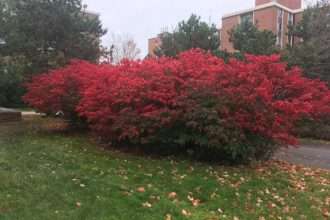
Spotlight on Invasive Plants: Burning Bush (Euonymus alatus)
At this time of year, there are some very compelling plants in the landscape, strikingly beautiful as they take on their amazing fall color. One of the loveliest to look at is Euonymus alatus, commonly known as burning bush or winged euonymus. Its foliage and unusual fruit begin to turn bright…

7 EcoBeneficial Tips for Planting Native Trees this Fall
Fall is a fantastic time to plant many trees. In most parts of the country, the warm days and cool nights of autumn favor healthy root development before winter arrives. Choosing appropriate plants and using proper planting methods are critical to your planting success and to the long-term health of…
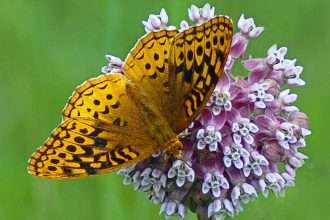
Meadowscaping: A Perfect Alternative to Lawns
You might be thinking about doing some planting this fall. Why not consider planting a native meadowscape: a meadow or a meadow-like garden? Meadowscapes are fantastic ecological alternatives to lifeless lawns (“green deserts”). Whether you have a tiny yard or an expansive landscape, you can create a native meadowscape and…