


EcoBlog
The latest thinking on ecological landscapes. Useful tips to improve our environment


Declining Species: A Huge Red Flag
The recent press on the dramatic decline in Monarch butterflies prompted me to write this letter just published in the “Community Views” section of The Journal News. Please read and share. We can make a tremendous positive impact through our own actions!
http://www.lohud.com/article/20131219/OPINION/312190073/Declining-species-huge-red-flag
from Kim Eierman at EcoBeneficial
Photo: Monarch Butterfly on Milkweed
Photo credit: Flickr_thoeflich
2 Comments
More from EcoBlog
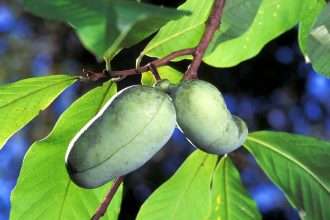
Tasty Natives: Pawpaw (Asimina trioloba)
As fall planting winds down, consider whether you might have one more spot for a tasty native plant. It’s a great way to add an ecological boost to your landscape, while growing something unusual that you can eat. Edible native plantings help connect us with the ecosystems around us, and…

Fall Checklist for the EcoBeneficial Landscape
Now that fall is here, is your landscape in good order? Following some simple steps can prevent or lessen the impacts of a harsh winter, and lay the groundwork for best results in the spring. Fall Checklist – 15 Steps to Ecological Health 1) If you have plants to be…
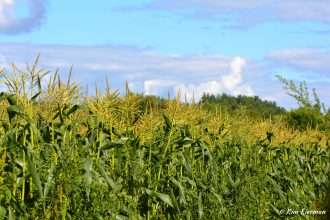
Eco-Lessons from the Farm: GMO Corn & Pollinators
EcoBeneficial! went on a working vacation to Vermont this summer and visited some organic farms, including River Berry Farm in Fairfax, Vermont. After you finish this post watch my short video interview with organic farmer and pollinator advocate, Jane Sorensen, co-owner of River Berry Farm, to pick up some tips.…
Saw 1 or 2 butterflies, period, this summer. Lots of cabbage moths, but…doing my best as a chemical-free honey bee steward to keep the hives going..not easy. I’m going to try to find milkweed seeds to plant in my wildflower garden. Already have 3 butterfly bushes. Please keep up the level of awareness for all of us, even those of us close to the earth. Constant reminders are good for our planet. Not seeing many winter birds yet.
Thanks Dennis. Every bit helps! You can make a big impact in your own landscape. Start making your planting list for spring. Thanks for your comment. Best, Kim