


EcoBlog
The latest thinking on ecological landscapes. Useful tips to improve our environment


Declining Species: A Huge Red Flag
The recent press on the dramatic decline in Monarch butterflies prompted me to write this letter just published in the “Community Views” section of The Journal News. Please read and share. We can make a tremendous positive impact through our own actions!
http://www.lohud.com/article/20131219/OPINION/312190073/Declining-species-huge-red-flag
from Kim Eierman at EcoBeneficial
Photo: Monarch Butterfly on Milkweed
Photo credit: Flickr_thoeflich
2 Comments
More from EcoBlog
Fall Planting With Woodies – Native Trees & Shrubs
Some of our most ecologically-important native plants are trees and shrubs (aka woodies). They provide critical structure and ecological function to our landscapes. Some are early pollen sources for hungry bees, some have fruits, nuts or seeds for birds and mammals, some are host plants for butterflies, some are nesting…
The Value of Signs in an Ecological Landscape
How do you communicate to your neighbors why you have little or no lawn, why you have a diversity of native plants, why your trees are not topped, why your shrubs are not pruned into meatballs, why you leave your perennials and grasses standing through winter? Many of our neighbors…
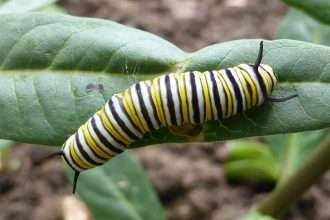
A Closer Look at Monarchs & Milkweeds: Latest Information from Xerces
Milkweeds (Asclepias species) are getting a lot of attention these days since they are the only larval host plants for the threatened Monarch Butterfly. As you may know, butterfly caterpillars have a different diet than their adult counterparts. Most caterpillars eat plant parts, usually leaves. Monarch caterpillars only eat the…
Saw 1 or 2 butterflies, period, this summer. Lots of cabbage moths, but…doing my best as a chemical-free honey bee steward to keep the hives going..not easy. I’m going to try to find milkweed seeds to plant in my wildflower garden. Already have 3 butterfly bushes. Please keep up the level of awareness for all of us, even those of us close to the earth. Constant reminders are good for our planet. Not seeing many winter birds yet.
Thanks Dennis. Every bit helps! You can make a big impact in your own landscape. Start making your planting list for spring. Thanks for your comment. Best, Kim