


EcoBlog
The latest thinking on ecological landscapes. Useful tips to improve our environment


Top 10 New Year’s Resolutions for the EcoBeneficial Gardener
1. Reduce or eliminate your lawn – it’s an ecological desert.
2. Focus on increasing the health of your soil – it’s filled with life! Compost is king for most soils, not fertilizer.
3. Eliminate synthetic pesticides, herbicides + fungicides. Use organic counterparts sparingly, if at all.
4. Support beneficial insects with appropriate native plantings. They are nature’s pest control.
5. Plant for a succession of bloom throughout the growing season to support native bees and honey bees. Bees are critical, keystone species.
6. Emulate nature in your garden – use local wild areas as your reference.
7. Plant the right plant in the right place. Don’t put sun-loving plants in the shade, moisture-loving plants in dry soil…
8. Remove invasive plants and replace them thickly and quickly with regional native plants.
9. Tolerate some messiness in your landscape to support wildlife. Check out all the critters living under a dead log!
10. Boost the ecosystem in your landscape by planting a diversity of regional native plants.
Best wishes for a happy and ecologically healthy 2014!
From Kim Eierman at EcoBeneficial!
Photo: Ruby-throated hummingbird nectaring on Campsis radicans (Trumpet Creeper)
Photo credit: Flickr_Kelly Colgan Azar
6 Comments
More from EcoBlog
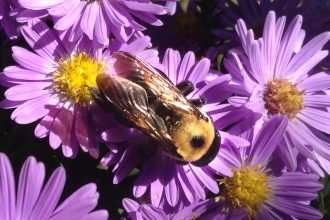
Replacing the Green Desert: Why Native Plant Alternatives to Turf?
The great American love affair with lawns has a long tradition. The funny thing is, it’s not even our tradition – we adopted the idea from Europe where turf grasses are native. And that’s where the ecological problem starts. Our native flora and fauna species did not co-evolve with European…

What Your Native Plants Are Doing When You’re Not Looking: In the Garden with Doug Tallamy
It is estimated that more than 90% of the insects in our home landscapes are benign or beneficial. Why then do so many folks spray pesticides that kill not only insect “pests” but all the beneficial insects, too? Instead of reaching for the spray, let’s use native plants to support…
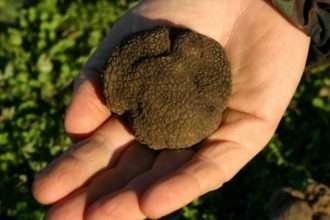
Our Allies in the Soil: Interview with Dr. Roger Koide on Mycorrhizal Fungi
Fungi are tremendously abundant organisms in our ecosystems, yet we often view them in a negative way or we don’t consider them at all. Actually, many fungi are essential for nutrient cycling as they decompose organic matter. A group of fungi with a daunting name, “mycorrhizal fungi,” are particularly valuable,…
Hello Kim –
Thank you for your continued helpful advise – I love everyone of your postings.
Happy and healthy 2014 and success with all your plantings.
Cheers –
Helga
This is a great list! Happy New Year, Kim.
Thanks Phyllis! Hope you will share the list with Bee City USA followers. What is good for bees is good for the environment!
Thanks for your support Helga! Best wishes to you for a happy and “green” new year!
Best wishes for the New Year from neighboring Tuckahoe – unfortunately i cannot keep bees- against village regulations……
I love your 10 New Years resolutions and while I already do some (lawn!!_ i shall try to do all of them in 2014.
Thanks Susanne! Good to hear that you will be adopting even more “green” resolutions. Every bit helps. Even if you can’t keep bees, you help tremendously by planting for honey bees and native bees. Happy New Year!