


EcoBlog
The latest thinking on ecological landscapes. Useful tips to improve our environment


The American Gardener: Book Review of The Pollinator Victory Garden
Book Review from The American Gardener:
The Pollinator Victory Garden: Win the War on Pollinator Decline with Ecological Gardening
Kim Eierman, Quarry Books, Beverly, MA. 160 pages. Publisher’s price, paperback: $26.99
Having worked as a garden designer for 15 years, I’m aware of the importance of native plants, but communicating this to my clients is not always easy. Kim Eierman’s book has given me the base knowledge and language I need to convey the message effectively — as well as inspiration to encourage greater advocacy. As she notes, “You don’t have to be an entomologist to realize that pollinators are in trouble, and you don’t have to be a professional landscaper or horticulturist to do something about it.”
The Pollinator Victory Garden increases our horticultural vocabulary by detailing the close-knit relationships of pollinators and plants. I learned that the buzz pollination techniques of native bumblebees on blueberries “creates twice as much fruit as honeybee pollinations.” I discovered that puddling describes a behavior of butterflies (mostly male) gathering salts from wet, stony ground and may help increase viability of future caterpillars. And floral balance is having a wide diversity of plants in sufficient quantities to support the pollen and nectar needs of pollinators so they may successfully reproduce.
Basic inventory charts in this well-researched guide consider succession and overlap of blooms; what types of flowers attract which species of pollinator; and which trees and shrubs are valuable for supporting pollinator reproduction and nectaring. We also learn how to make a sample host plant checklist for specific butterflies. While butterflies usually get the most attention, the author reminds us to not to forget nocturnal pollinators such as moths. The appendix includes lots of references for furthering our knowledge about gardening for pollinators.
Habitat considerations must be integral in designing gardens that support our native pollinators, and all of us can help. Where space is limited, even a native plant in a pot will add to the resources they need. As Eierman puts it, “A native flower is never more beautiful than when it’s graced by a nectaring pollinator.”
— Julia Bunn
Julia Bunn is the owner of the Spirited Gardener. An eco-functional landscape designer who is passionate about managing water with rain gardens, she is based in Evanston, Illinois.
More from EcoBlog

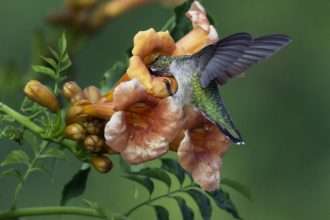
What Your Native Plants Are Doing When You’re Not Looking: In the Garden with Doug Tallamy
It is estimated that more than 90% of the insects in our home landscapes are benign or beneficial. Why then do so many folks spray pesticides that kill not only insect “pests” but all the beneficial insects, too? Instead of reaching for the spray, let’s use native plants to support…
Top 10 New Year’s Resolutions for the EcoBeneficial Gardener
1. Reduce or eliminate your lawn – it’s an ecological desert. 2. Focus on increasing the health of your soil – it’s filled with life! Compost is king for most soils, not fertilizer. 3. Eliminate synthetic pesticides, herbicides + fungicides. Use organic counterparts sparingly, if at all. 4. Support beneficial…
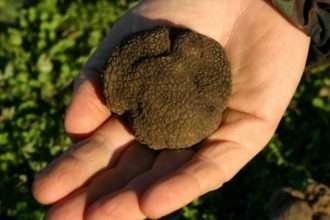
Our Allies in the Soil: Interview with Dr. Roger Koide on Mycorrhizal Fungi
Fungi are tremendously abundant organisms in our ecosystems, yet we often view them in a negative way or we don’t consider them at all. Actually, many fungi are essential for nutrient cycling as they decompose organic matter. A group of fungi with a daunting name, “mycorrhizal fungi,” are particularly valuable,…