


EcoBlog
The latest thinking on ecological landscapes. Useful tips to improve our environment


Us vs. Them? Can We Afford to Remain Disconnected from Environmental Realities?
The population of Monarch butterflies has declined to the lowest level ever recorded, pollinators are in a well-reported nose dive, the 20 most common bird species have declined by 68% in the past 45 years. What does this all mean for us humans, the one species that all other species could exist without?
It turns out that we need other species, and lots of them, to maintain healthy ecosystems upon which we depend. Significant species decline is a red flag for diminished ecosystem health and that means a loss in ecosystem services – those services provided by nature that humans depend upon. We take these ecosystem services for granted, seldom realizing that our species cannot exist without them.
Clean air to breathe, clean water to drink, food to eat, protection from climate extremes and flooding events – these are just some of the services that healthy ecosystems provide. Humans simply cannot survive without them.
And then there’s the monetary value. A noted research study by R. Costanza et al, published in 1997 estimated the financial value of global ecosystem services to be almost twice that of global GNP. And yet, we rarely speak about the value of ecosystem services.
So what can we do to protect the species around us, and by doing so, protect ourselves? Quite a lot actually, but we must think differently and act differently. It’s no longer “us” (humans) vs “them” (nature). We are all part of the ecosystems around us and we can take action by healing our own landscapes.
Many of our traditional gardening and landscaping practices are quite damaging to ecosystems – our large (sterile) lawns, our neat and tidy (leafless, infertile) yards, our emphasis on exotic (non-native) plants and even our fear of insects (most of which are beneficial), have sent our local ecosystems into a tail spin.
It’s time to think differently and landscape differently – our ecosystems, which include us, depend upon it for survival. Every landscape matters, every plant choice matters. Each and every one of us can make a difference. Let’s start now.
From Kim Eierman at EcoBeneficial!
Photo: Monarch on Milkweed
Photo credit: Flickr/studiobeerhorst
1 Comment
More from EcoBlog

Host Plants: Feeding Caterpillars = Building Butterflies
Many homeowners and landscapers don’t realize the futility of just planting exotic nectar plants to support butterflies. Caterpillars of butterflies have evolved with specific host plants on which they depend. Some caterpillars use a very limited number of native host plants, some have the ability to use a wider range…
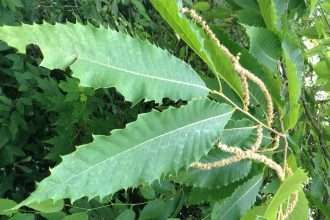
Preserving Native Species: Lessons from the American Chestnut
Prior to the year 1900 the American Chestnut tree (Castanea dentata) was the predominant tree in Eastern forests. It is estimated that there were almost 4 billion American Chestnut trees in the U.S. at the beginning of the 20th century, accounting for 1 in every 4 trees in Eastern hardwood…
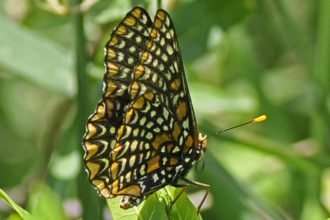
Butterfly, Butterfly: Wherefore Art Thou Butterfly?
I recently heard the celebrity Bill Maher doing a radio interview during which he confessed to having been an avid butterfly collector when he was a child. He seems quite regretful now, having killed so many butterflies and displaying them on the walls of his childhood home, with his father’s…
Happy Holidays to you and a terrific new year.
Enjoying every one of your publications and looking forward to seeing you again at one of your classes.
Cheers –
Helga